
 View Charts


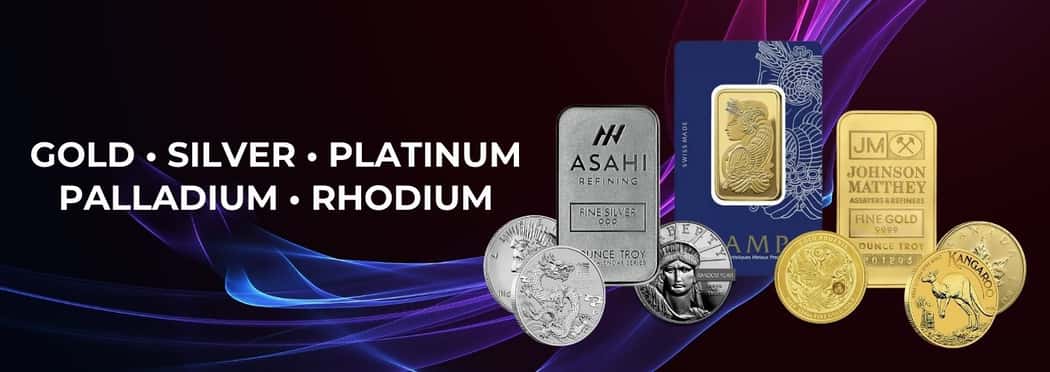
Gold vs Silver vs Platinum vs Palladium vs Rhodium
Precious metals like gold, silver, platinum, palladium, and rhodium have held significant economic importance throughout human history. They not only function as investments and luxury goods but also play critical roles in various industrial applications. This article explores the intrinsic value of these metals and factors that influence their market prices.
Gold: The Eternal Standard
Gold is arguably the most famous of all precious metals, cherished for its beauty and rarity. It has been used as a form of currency, jewelry, and investment for thousands of years. Gold's value stems from its physical properties: it is ductile, non-corrosive, and highly malleable. These characteristics make it ideal for crafting intricate jewelry and durable coins.
Economically, gold is seen as a safe haven asset. In times of economic instability, investors flock to gold, driving up its price. It is also a hedge against inflation and currency devaluation. Central banks around the world hold substantial reserves of gold to secure their financial systems, underpinning its demand and value.
Silver: The Industrial Precious Metal
While silver is often considered a secondary investment metal to gold, its value is enhanced by its widespread industrial usage. Silver has the highest electrical and thermal conductivity of all metals, making it indispensable in electronics, solar panels, and batteries. Its antimicrobial properties are utilized in medical applications.
The price of silver is more volatile than gold because it is influenced by both its investment demand and its industrial consumption. This duality means that silver can provide higher returns than gold during periods of economic boom but can also suffer sharper declines during downturns.
Platinum: Rare and Versatile
Platinum's value is closely tied to its rarity and its range of industrial applications. It is about 30 times rarer than gold, found primarily in South Africa and Russia. Its high melting point and corrosion resistance make it ideal for automotive catalytic converters, which account for about 40% of its demand. Platinum is also a status symbol in jewelry due to its dense, durable nature.
Investment demand for platinum can fluctuate significantly due to changes in automotive industry trends and shifts in jewelry fashion. Like silver, platinum's price is also subject to both investment and industrial influences, which can lead to high volatility.
Palladium: The Rising Star
Palladium, a member of the platinum group of metals, has seen a dramatic increase in value over recent years. Its primary use is in automotive catalytic converters, particularly in gasoline engines, where it helps reduce harmful emissions. Its price has been driven up by stringent environmental standards and a shortage of supply.
Investors have turned to palladium as an alternative to platinum and gold, appreciating its smaller market and potential for rapid price increases. However, its high price volatility can pose risks to unwary investors.
Rhodium: The High-Value Specialist
Rhodium is another platinum group metal, notable for its extreme rarity and high corrosion resistance. It is primarily used in automotive catalytic converters and as an alloying agent to harden platinum and palladium. The small supply and high industrial demand often result in high prices, making it the most expensive of the precious metals.
The value of rhodium can fluctuate wildly; it is not uncommon for its price to double or halve within a year, influenced by changes in industrial usage and mining output.
Factors Influencing Prices
Several factors affect the prices of these precious metals:
- Market Demand: Industrial demand significantly impacts silver, platinum, palladium, and rhodium, while gold's price is more influenced by investment demand.
- Geopolitical Stability: Political and economic instability can cause fluctuations in metal prices, particularly for gold.
- Currency Values: Changes in major currency values can affect precious metal prices, especially when priced in U.S. dollars.
- Mining and Production Costs: The cost of mining and the ability to bring new metals to market can affect supply, influencing prices.
Conclusion
The value of gold, silver, platinum, palladium, and rhodium is underpinned by their physical properties, rarity, and range of uses in various sectors. While each metal has its unique traits and market dynamics, they all offer opportunities for diversification in investment portfolios. Understanding the factors that impact their prices is crucial for any investor considering precious metals as part of their investment strategy.
Bullion Exchanges Is Here for You
Whether you're looking to invest in gold, silver, platinum, palladium, or rhodium, Bullion Exchanges is your trusted partner throughout the entire buying process. We recommend monitoring the live spot price charts to effectively time your investments in gold, silver, and other precious metals. This helps you stay informed about their current market values. Contact us today to learn more about how we can help you enhance and protect your investment portfolio!