View Charts
The Gold Standard: Could It Ever Return?
 0
0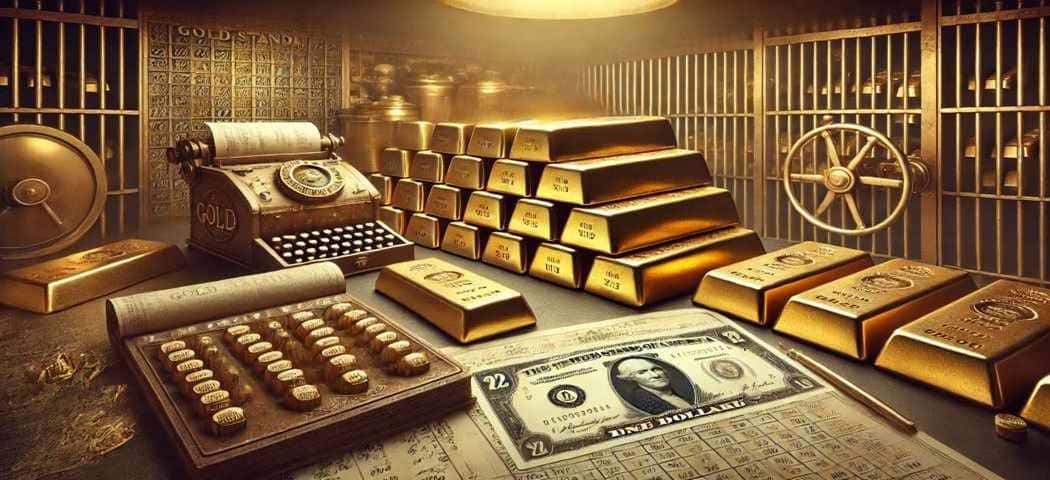
The Gold Standard: A Look Back and a Glimpse Into the Future
For centuries, the gold standard served as the backbone of global monetary systems, providing stability, confidence, and a tangible basis for currency value. Today, with concerns about inflation, national debt, and fiat currency devaluation, many wonder: Could the U.S. return to the gold standard? If so, what impact would it have on the economy, gold prices, and precious metals investing?
In this article, we’ll explore the history of the gold standard, why the U.S. abandoned it, its relevance today, and what might happen if it were reinstated.
What Is the Gold Standard?
The gold standard is a monetary system in which a country’s currency is directly tied to a fixed amount of gold. This means that paper money could be exchanged for a specific weight in gold, ensuring that the currency had intrinsic value.
Key Features of the Gold Standard:
-
The government holds gold reserves equal to the value of the currency in circulation.
-
The value of money remains stable since it’s backed by a tangible asset.
-
The supply of money is limited by the amount of gold available, reducing the risk of inflation caused by excessive money printing.
Many proponents argue that a return to the gold standard could restore fiscal discipline, reduce inflation, and strengthen the U.S. dollar. However, others believe it would constrain economic growth and limit monetary policy flexibility.
History of the Gold Standard in the United States
Adoption of the Gold Standard
-
In 1879, the U.S. formally adopted the gold standard, fixing the value of the dollar to a specific weight in gold.
-
The Gold Standard Act of 1900 made gold the sole backing of U.S. currency, ensuring its stability and global acceptance.
For decades, this system provided economic confidence, limiting inflation and maintaining steady currency value.
Challenges and the Beginning of the End
-
The Great Depression (1929-1939) put significant strain on the U.S. gold reserves. As citizens hoarded gold, the government’s ability to back currency dwindled.
-
In 1933, President Franklin D. Roosevelt issued Executive Order 6102, requiring U.S. citizens to turn in their gold to the government in exchange for paper money. This effectively ended the gold standard for domestic transactions.
-
The Bretton Woods Agreement (1944) established a new system where global currencies were pegged to the U.S. dollar, which remained backed by gold.
Full Termination of the Gold Standard
-
In 1971, President Richard Nixon ended the gold standard entirely in what became known as the "Nixon Shock."
-
Nixon’s decision severed the dollar’s direct tie to gold, ushering in the modern fiat currency system, where money is backed solely by government decree rather than a physical commodity.
Since then, the U.S. dollar has been based on faith in the government and Federal Reserve policy rather than a fixed asset like gold.
The Gold Standard Today: Is It Used Anywhere?
While no major economies currently use the gold standard, gold still plays a critical role in global finance.
-
Central Banks Still Hoard Gold: Nations like China, Russia, and India have been increasing their gold reserves as a hedge against currency fluctuations.
-
Gold-Backed Digital Currencies: Some countries and financial institutions are exploring gold-backed digital assets as an alternative to fiat money.
-
Gold as a Safe Haven: In times of economic uncertainty, gold remains a sought-after store of value, reinforcing its importance despite not being an official currency standard.
While most experts believe a full return to the gold standard is unlikely, gold’s role in global finance remains strong, with central banks and investors alike treating it as a reliable asset.
What Would Happen If the U.S. Returned to the Gold Standard?
Reinstating the gold standard would have far-reaching consequences for the economy, government policy, and financial markets.
Economic Effects
-
Strengthening the U.S. Dollar: A gold-backed currency would likely increase global confidence in the dollar, making it more stable.
-
Deflationary Pressure: Since the money supply would be limited by gold reserves, prices of goods and services could drop, potentially slowing economic growth.
-
Government Spending Cuts: The U.S. government would no longer be able to print money freely, forcing major spending reductions or tax increases.
Impact on Gold Prices and Precious Metals Investing
-
Gold Prices Would Skyrocket: If the U.S. reinstated the gold standard, the demand for physical gold would surge. This could push prices far beyond $3,000 per ounce, as the government would need massive reserves to back all circulating currency.
-
Silver and Platinum Would Benefit: Investors seeking alternatives to gold might turn to silver and platinum, driving up demand and increasing their market value.
-
Increased Market Volatility: A shift back to the gold standard could create instability in currency markets, leading to increased speculation in precious metals.

Could Gold Reach $10,000+ Per Ounce?
Many analysts argue that if the U.S. were to back all circulating dollars with gold, gold prices would need to be much higher to support the existing money supply. Some estimates suggest that gold could exceed $10,000 per ounce if a gold standard were reinstated, depending on the reserve requirements set by the government.
Is a Return to the Gold Standard Likely?
While the gold standard remains a topic of debate, the chances of a full return are extremely low for several reasons:
-
The U.S. government and Federal Reserve would lose control over monetary policy, making it difficult to respond to economic crises.
-
Gold reserves would need to dramatically increase to back the trillions of dollars in circulation, which would be logistically and financially challenging.
-
Modern economies rely on flexible money supplies, allowing governments to stimulate growth through controlled inflation and interest rate adjustments.
However, this doesn’t mean gold has lost its value. As inflation rises and fiat currency devalues, gold remains one of the most reliable assets for preserving wealth.
Gold’s Role in the Future of Finance
While a full return to the gold standard is unlikely, gold continues to be a crucial financial asset, offering stability in uncertain economic times.
For investors, gold remains an excellent hedge against inflation and market volatility. As central banks continue accumulating gold, and demand grows, gold prices are expected to remain strong in the coming years.
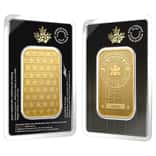
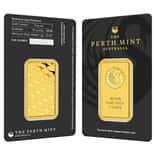
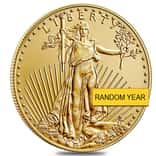
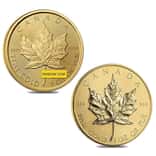
If you're looking to secure your financial future with gold, explore Bullion Exchanges' extensive selection of gold bars and coins today!
Other articles that may interest you:
Pre-1933 Gold Coins: Why These Rare Collectibles Remain So Desirable
The Traveller Collection: A $100M Numismatic Treasure Returns to the World Stage